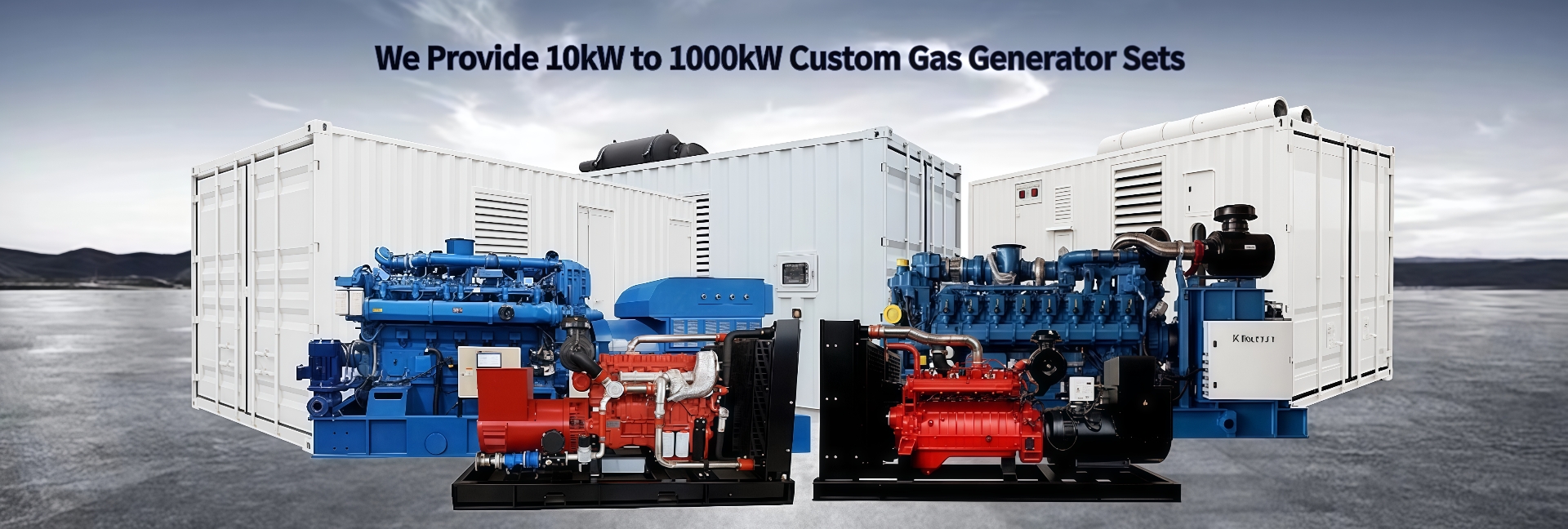
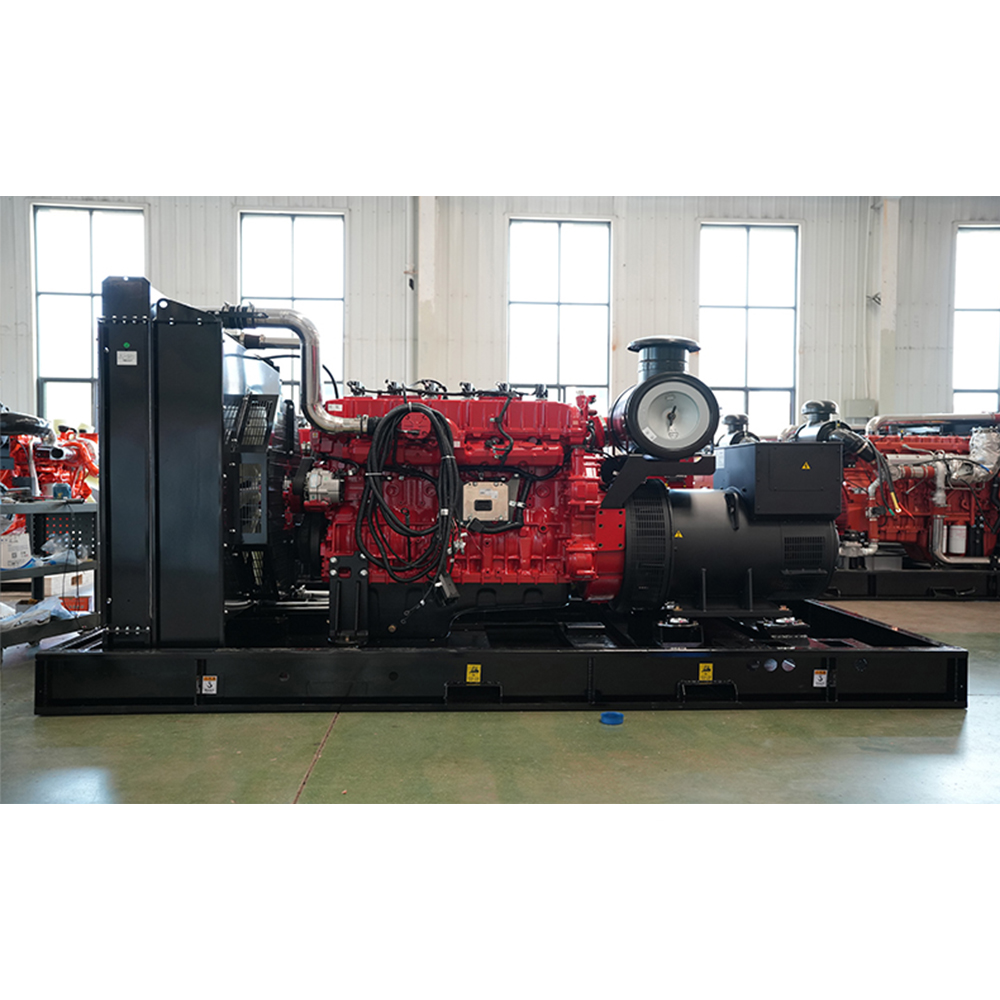
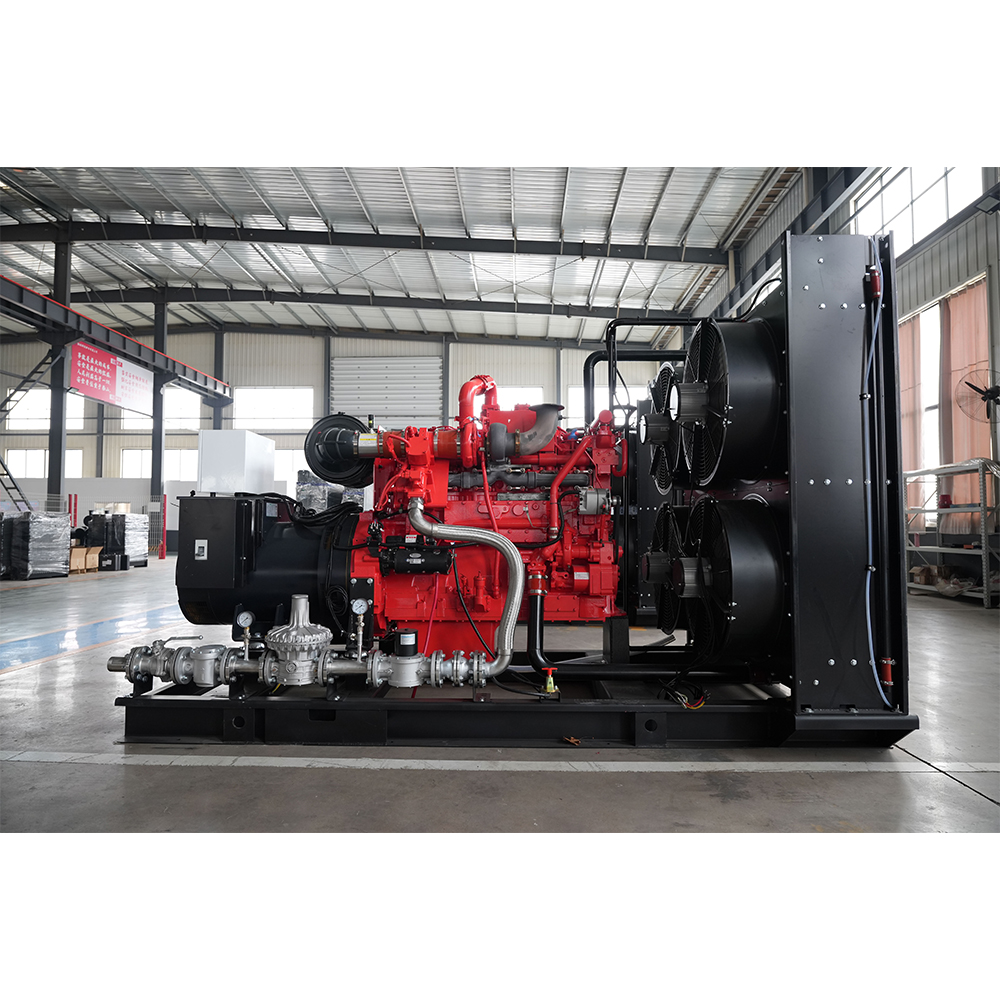
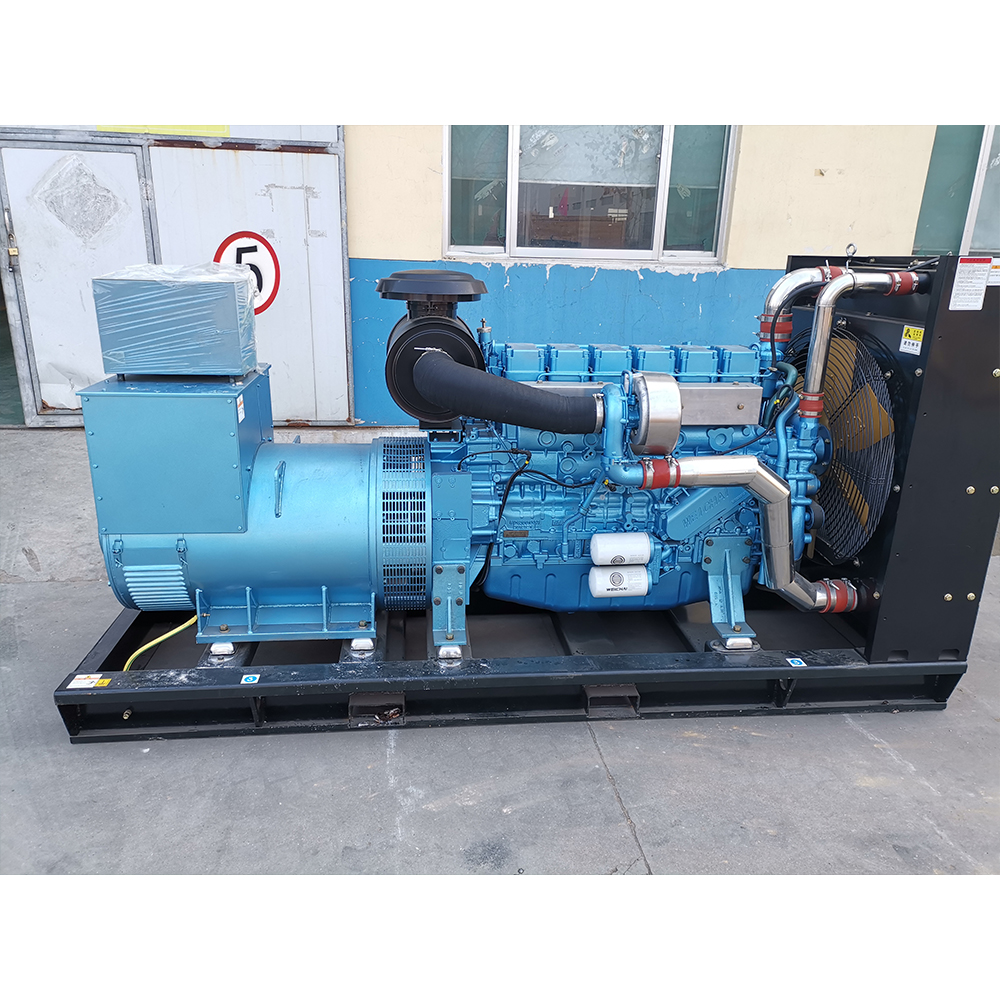
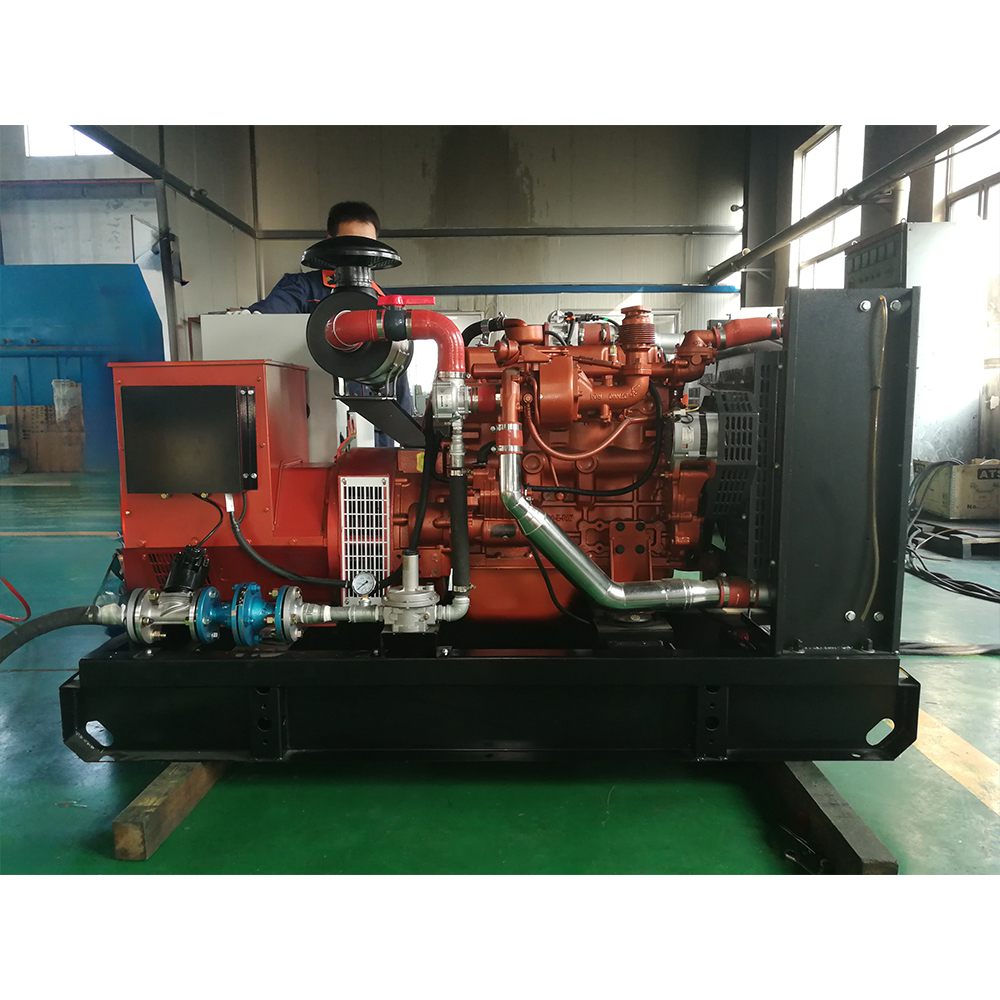
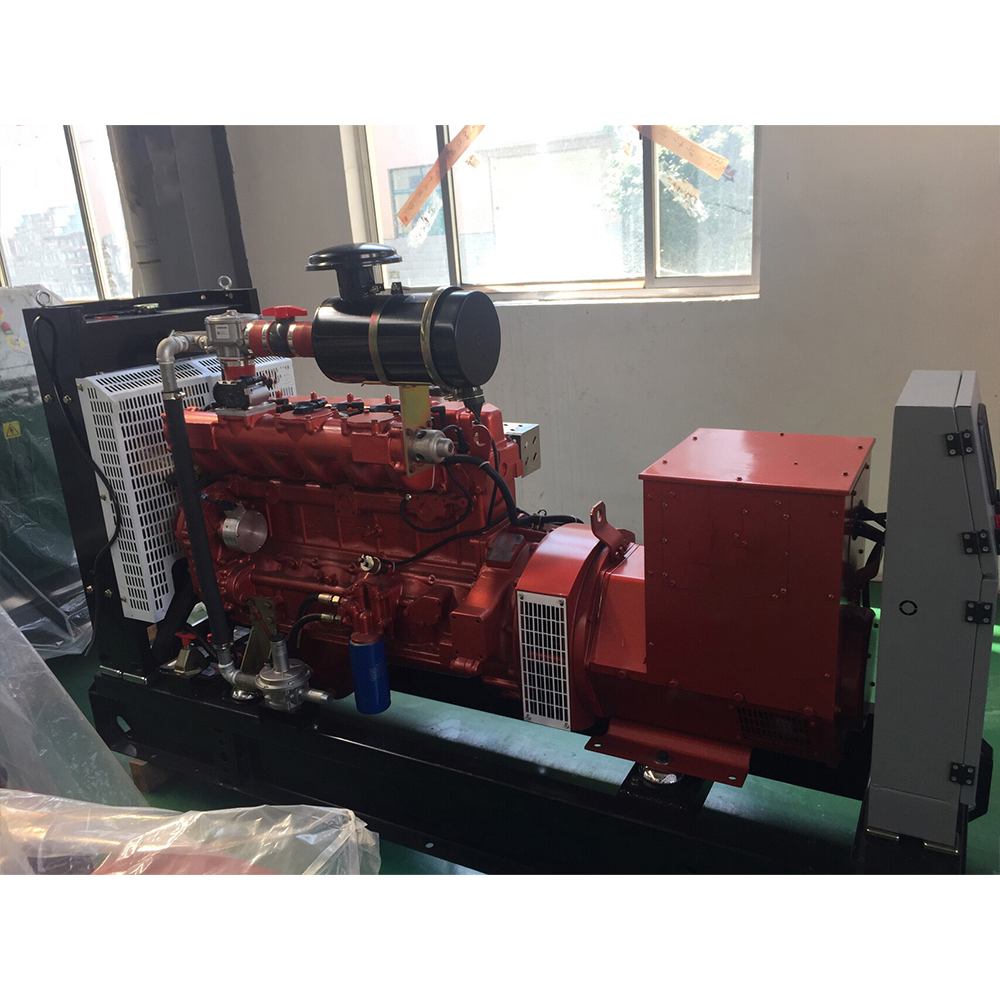
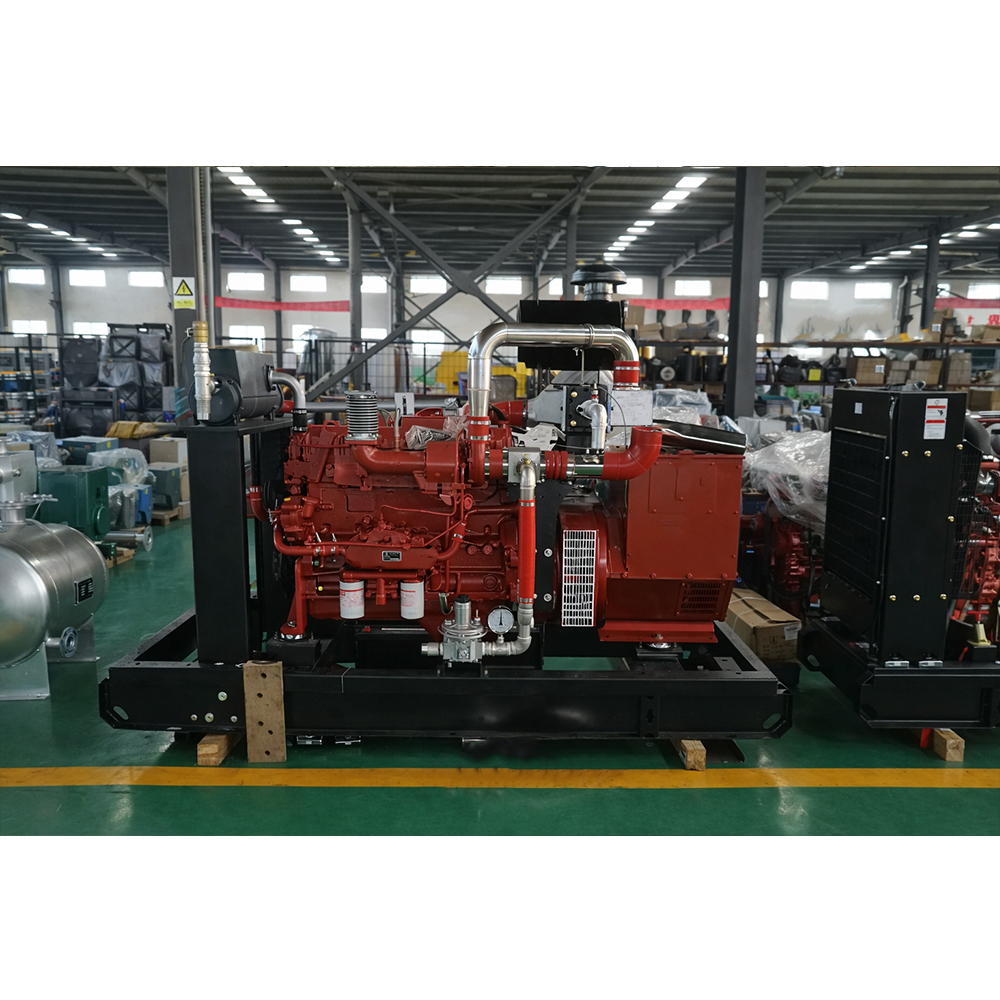
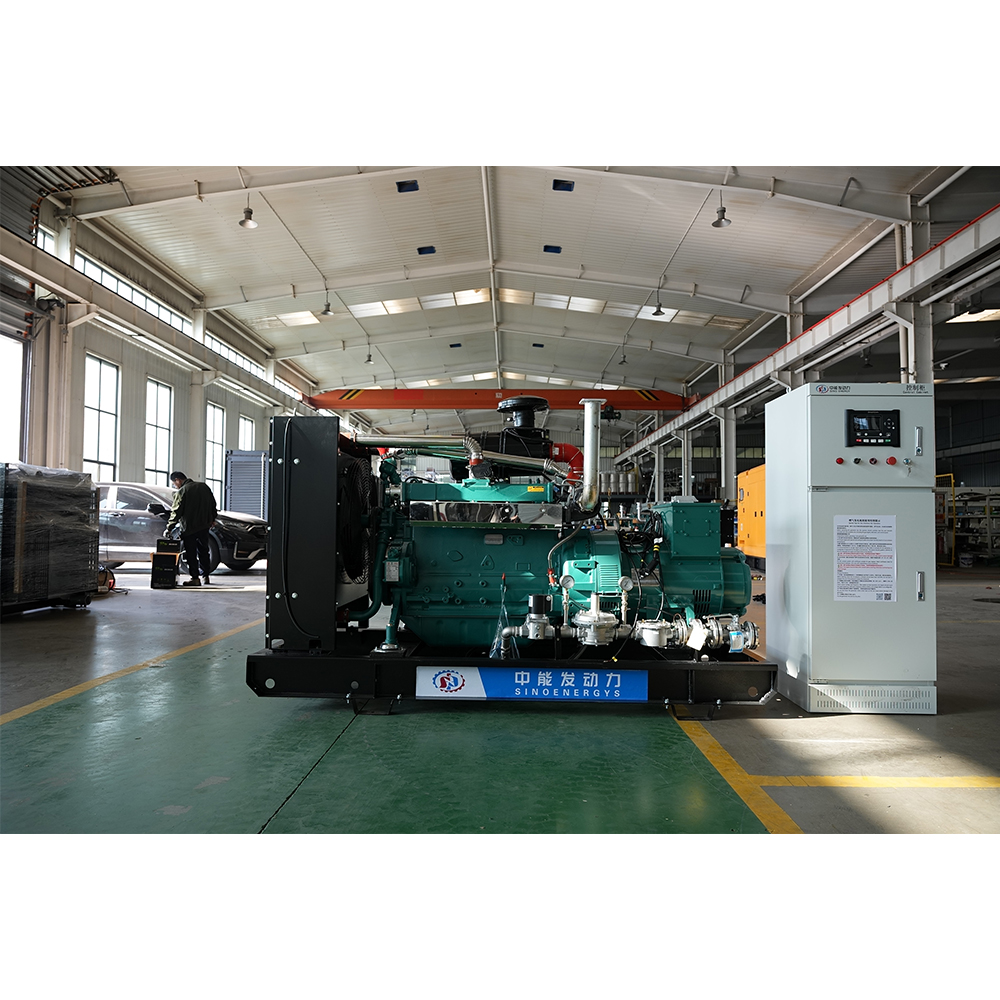
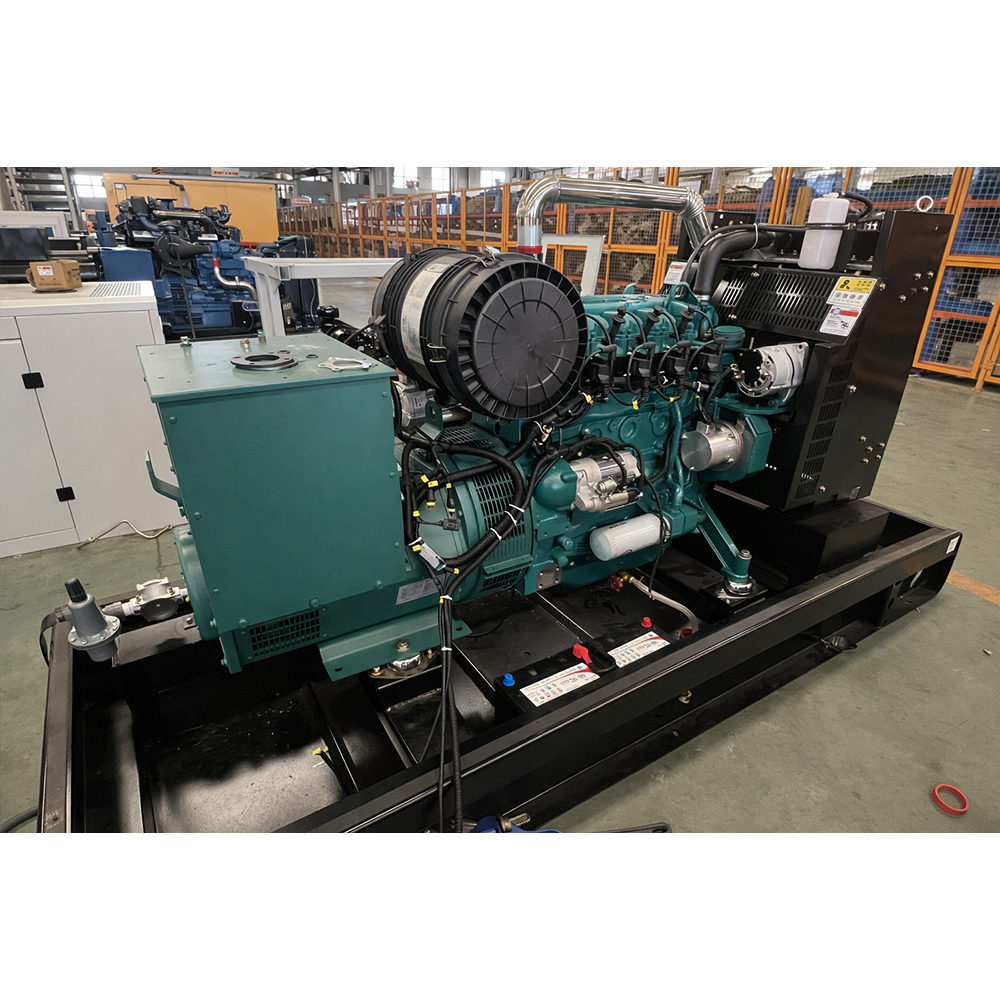
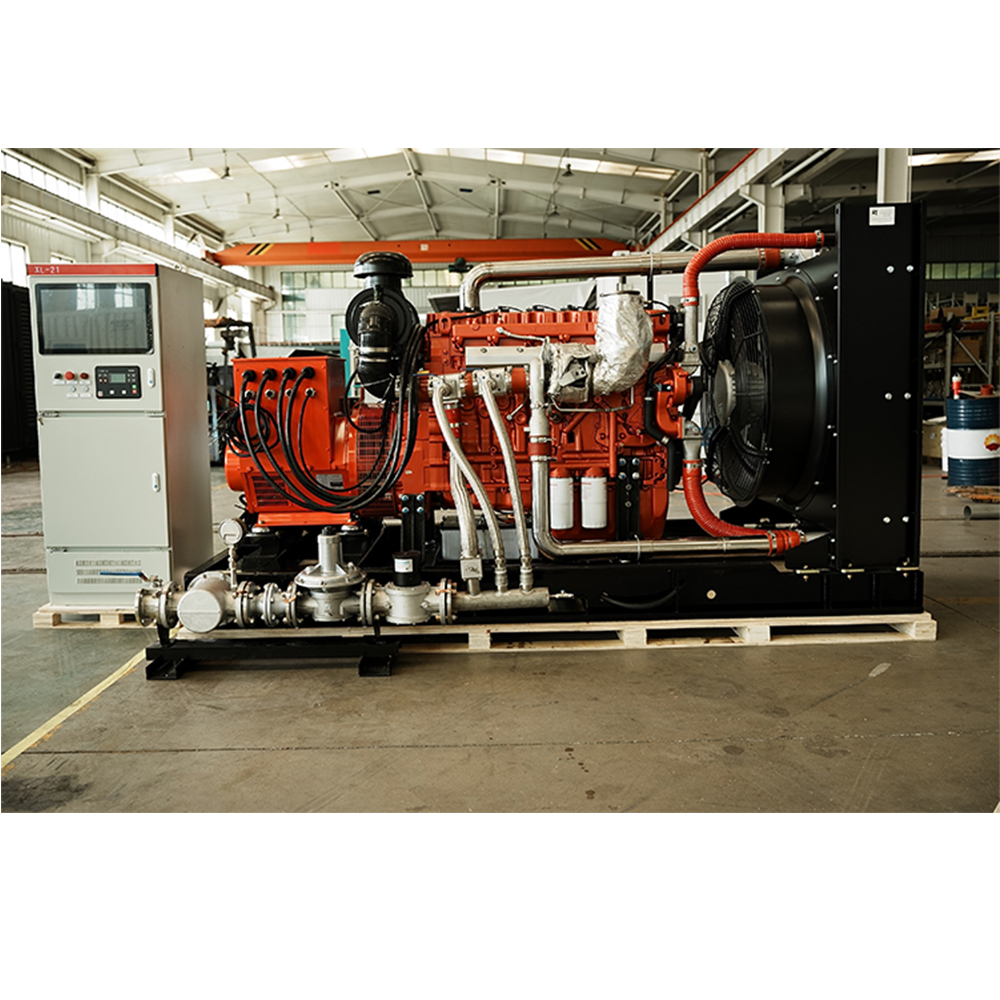
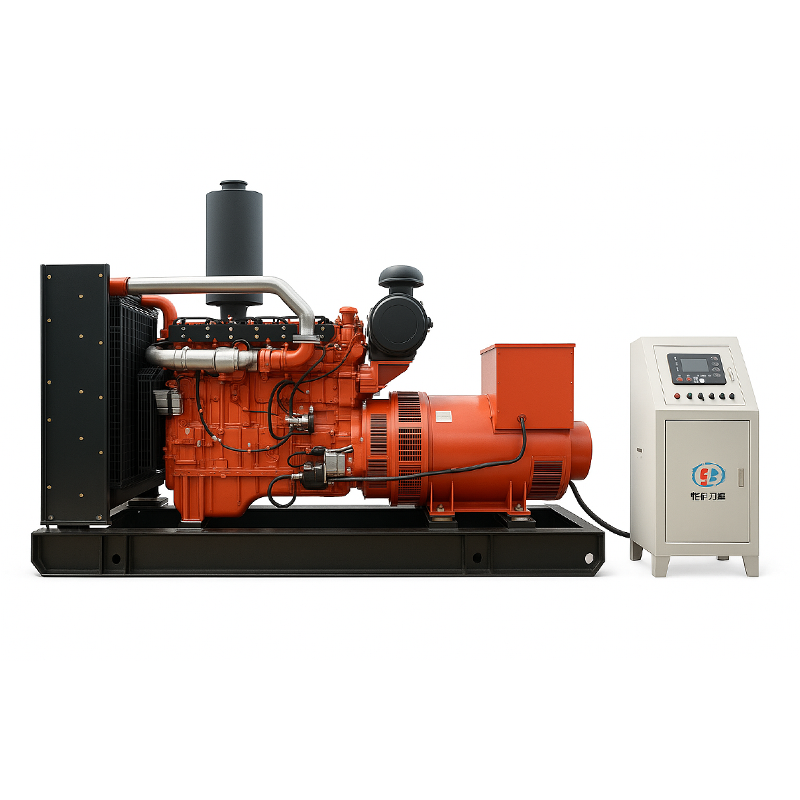
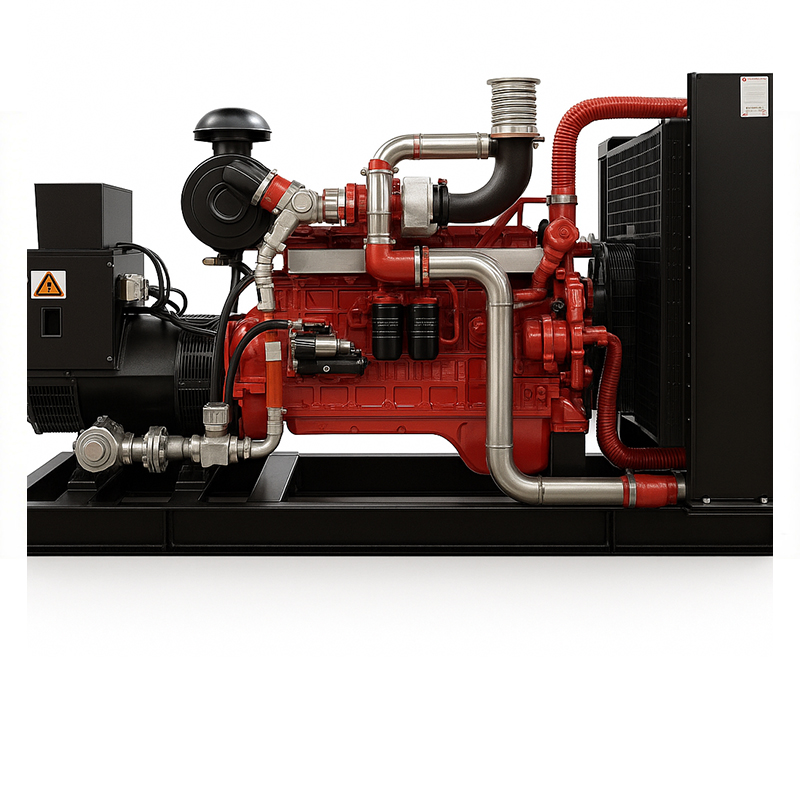
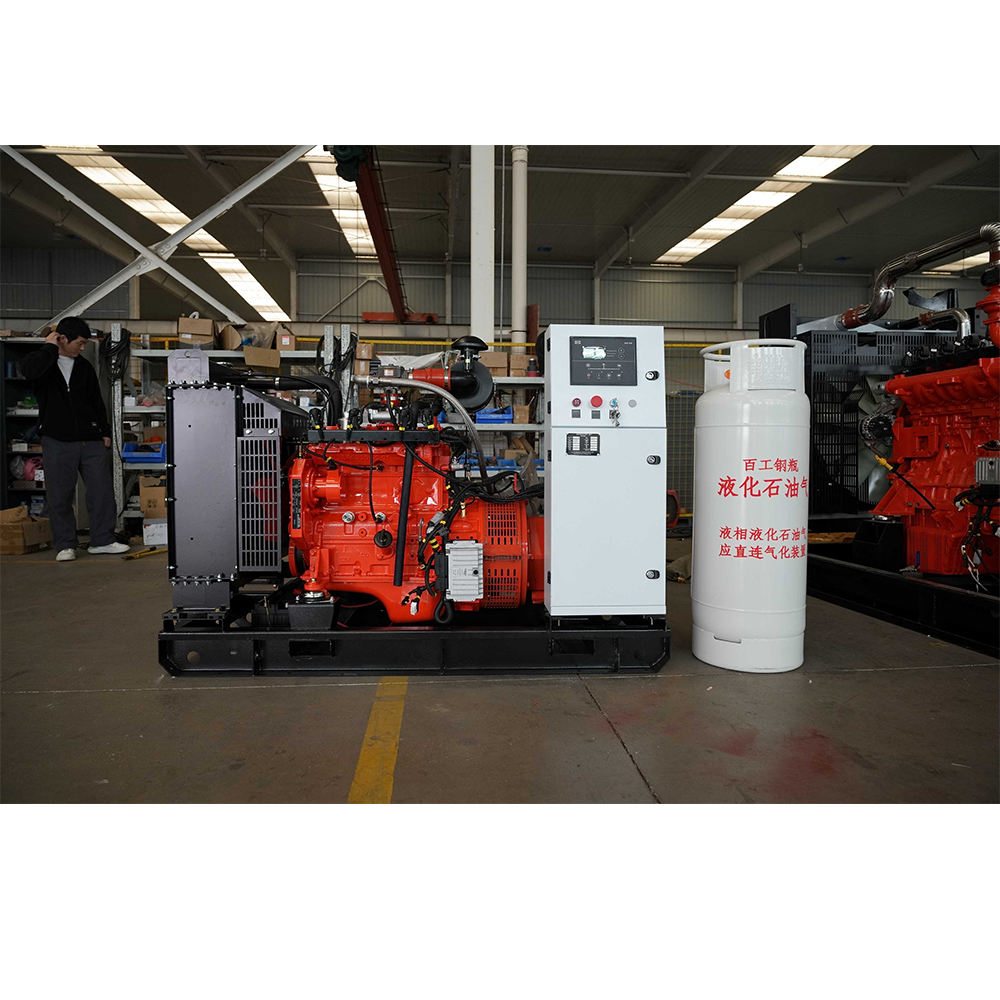
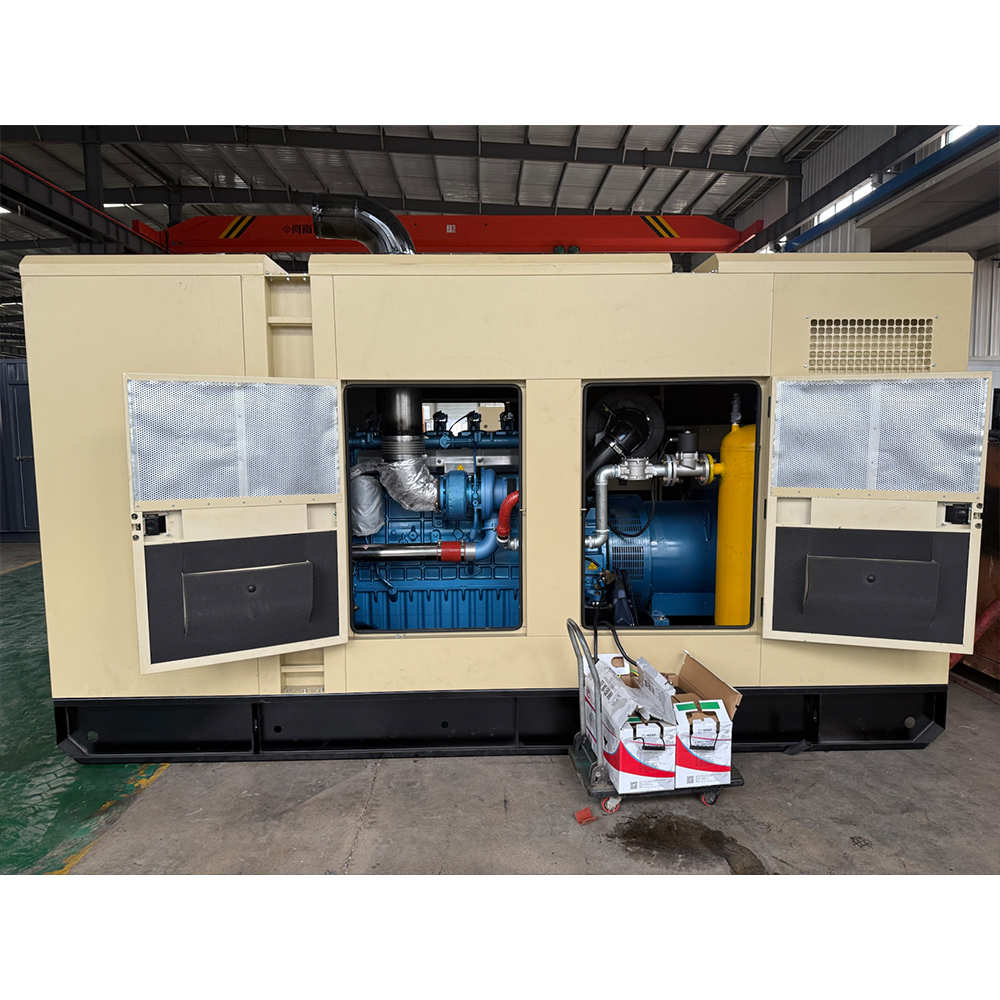
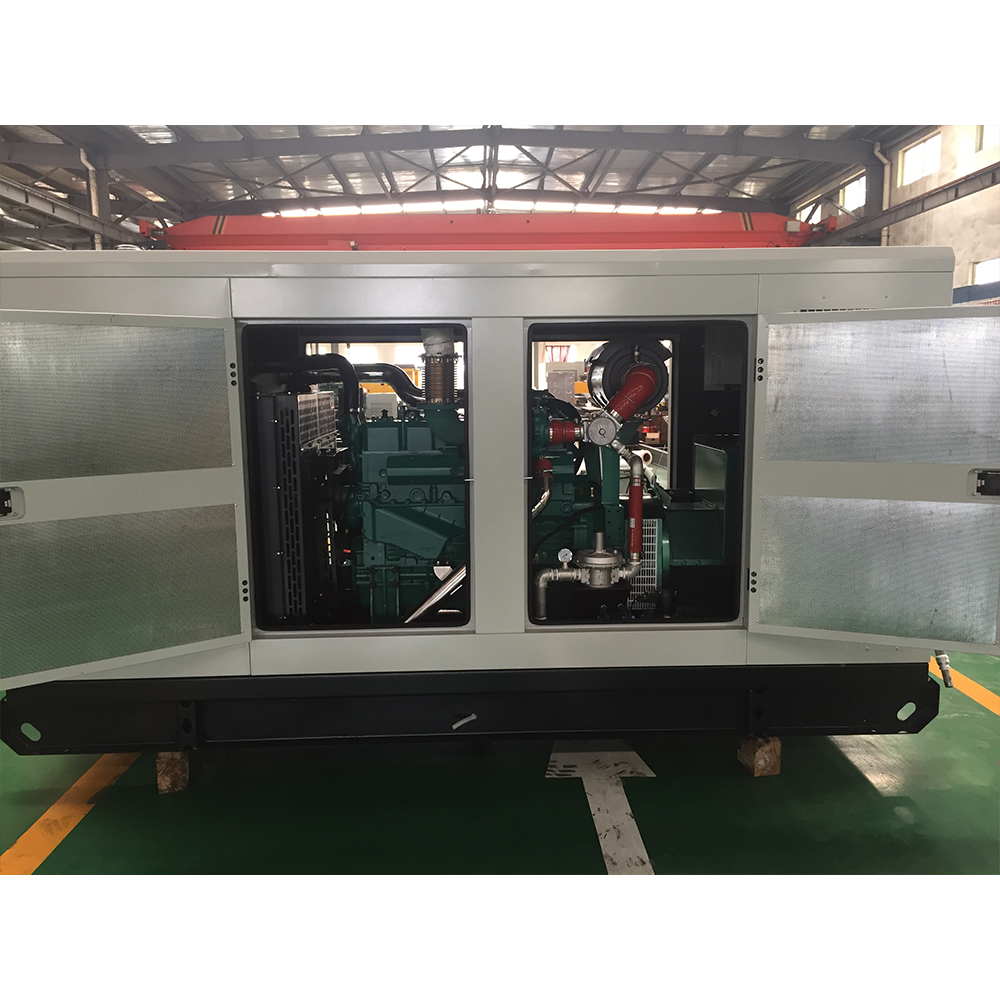
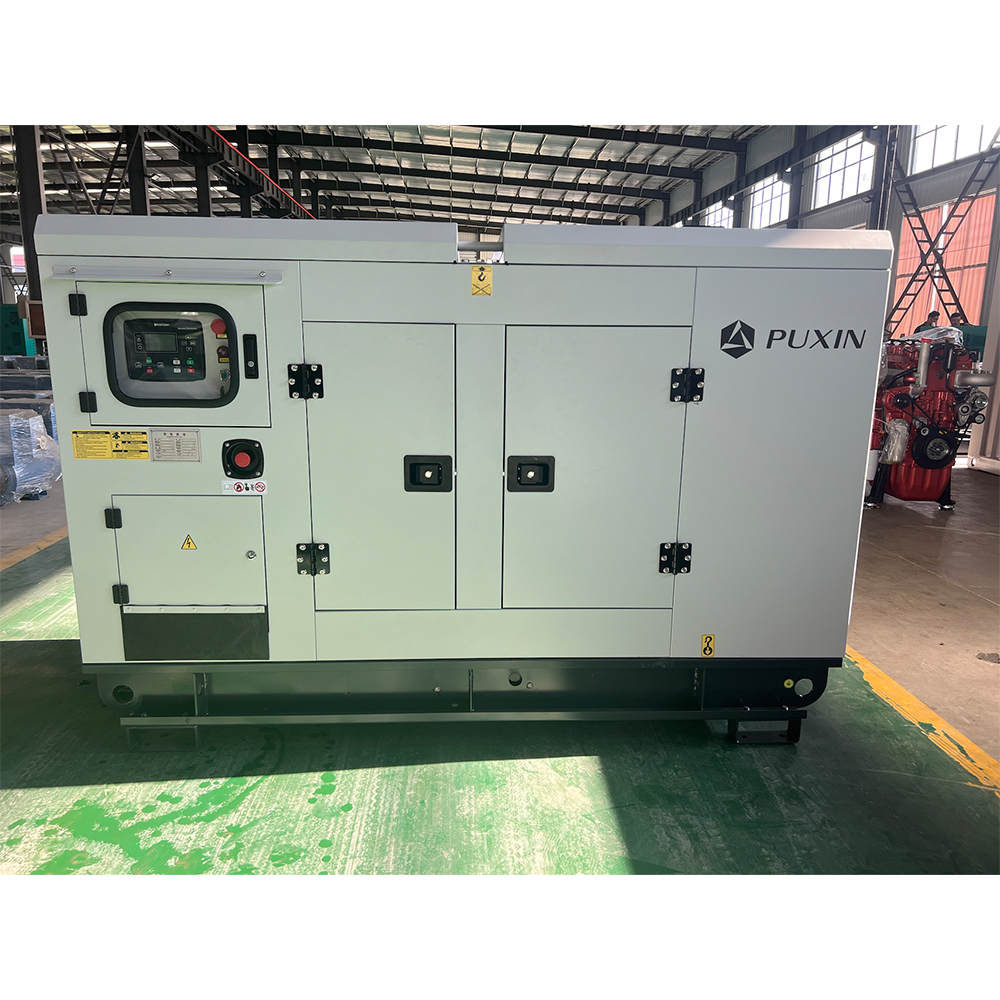
We are dedicated to delivering tailored gas power generation solutions as part of our commitment to clean energy, empowering our clients to achieve efficient and sustainable development.
02
OUR TEAM
Our international technical team specializes in gas engines and power generation systems, offering custom designs, remote support, and responsive service for clients worldwide. With strong project experience and advanced simulation tools, we deliver efficient, reliable, and eco-friendly power solutions for the global clean energy market.
03
PRE - SALES SERVICE
We offer professional pre-sales support including technical consultation and solution design. By conducting remote assessments or on-site evaluations, we gain a clear understanding of project needs and working conditions, enabling us to deliver efficient and reliable gas power solutions that support better decision-making.
04
After-sale service
We offer 24/7 after-sales service with a dedicated technical team on standby at all times. Whether remote or on-site, we respond quickly to any issues to ensure stable equipment operation and minimize downtime risk.
As nations and regions navigate the dual challenges of ensuring energy security and fostering sustainable growth, the gas generator power plant has emerged as a significant economic engine beyond its primary role of electricity production. Its impact on a regional economy is multifaceted, creating immediate opportunities and laying the groundwork for long-term industrial development.
The environmental footprint of the gas generator power plant is complex, embodying a paradox of being both a cleaner alternative to traditional fossil fuels and a significant contributor to global emissions. Its impact is best understood through a balanced analysis of its advantages over coal, its inherent environmental costs, and its potential role in a transitioning energy landscape.
In the global pursuit of a balanced and sustainable energy mix, the modern gas generator power plant is undergoing a profound transformation. No longer viewed merely as a flexible backup, it is being re-engineered into a model of high efficiency and lower emissions, serving as a critical technological bridge in the energy transition.
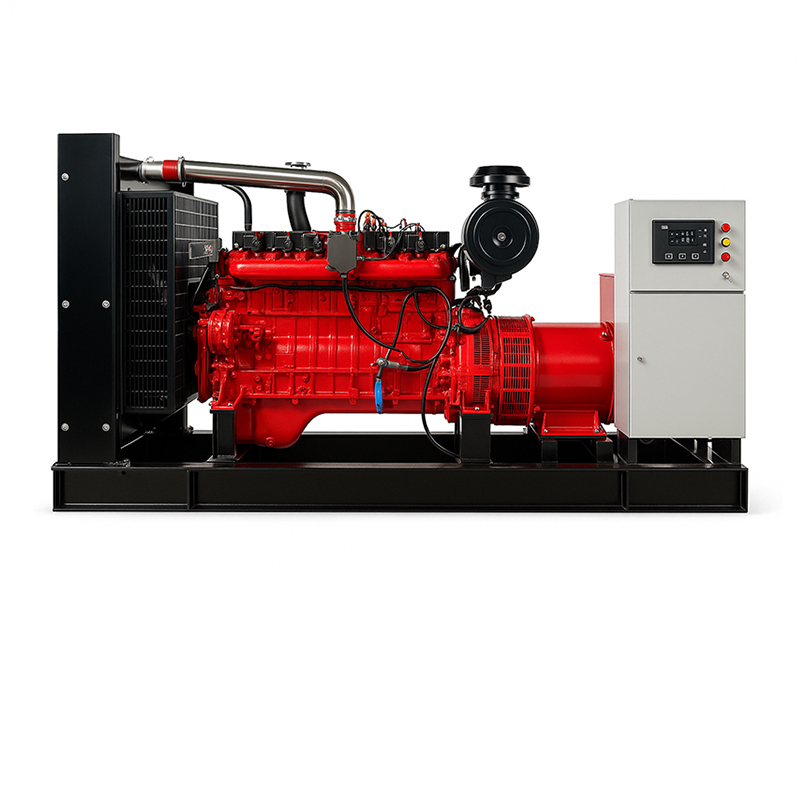
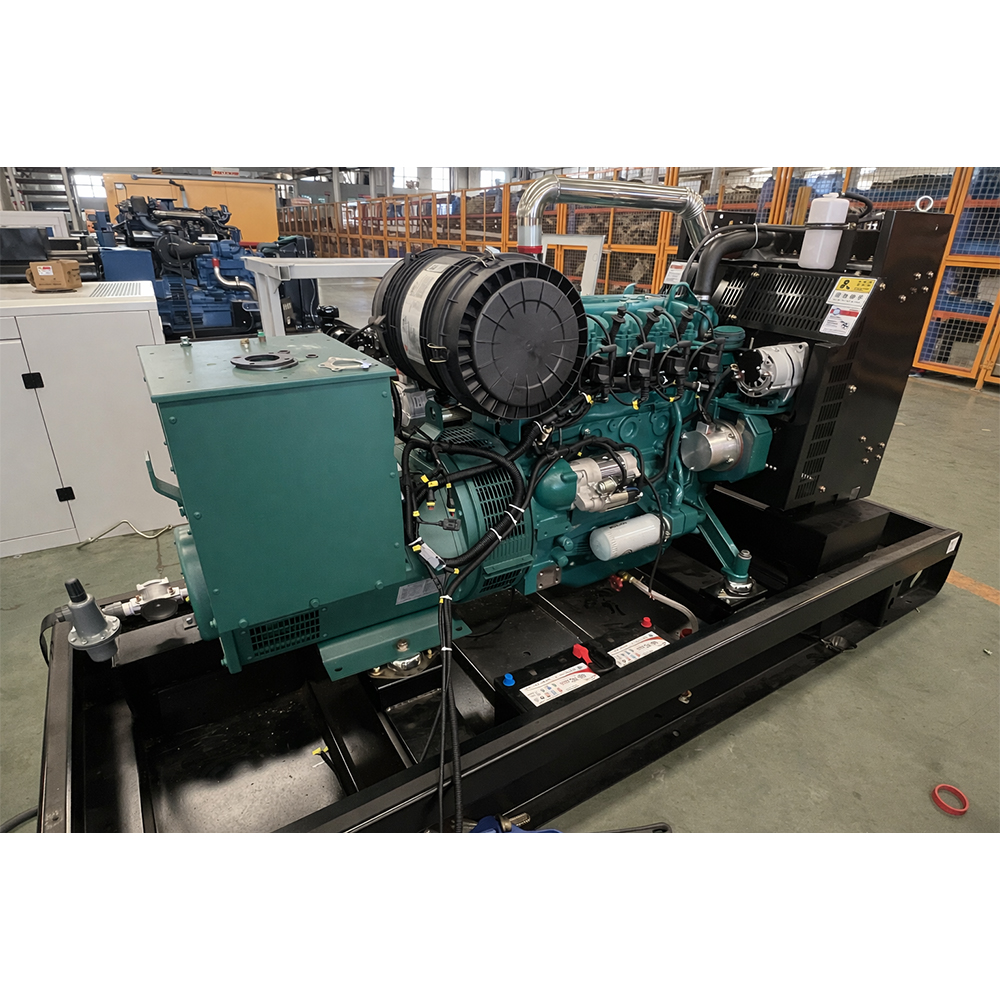
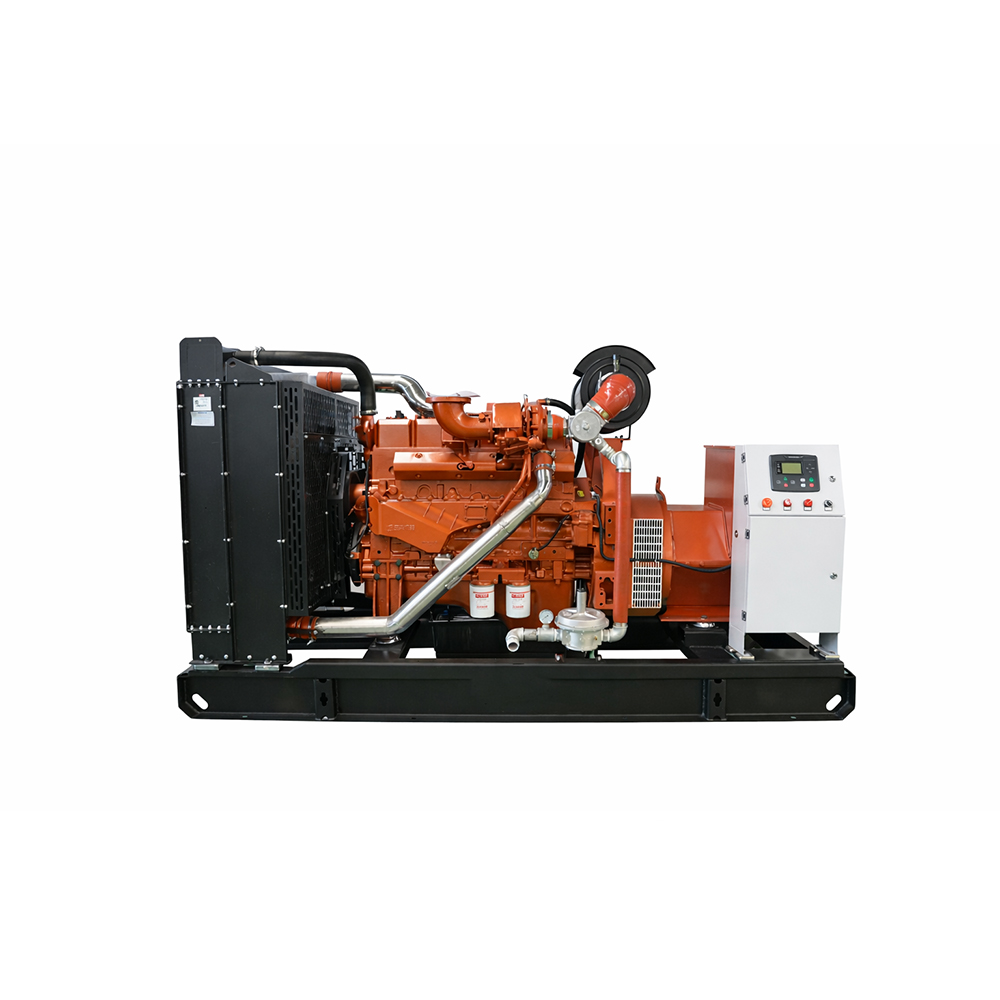
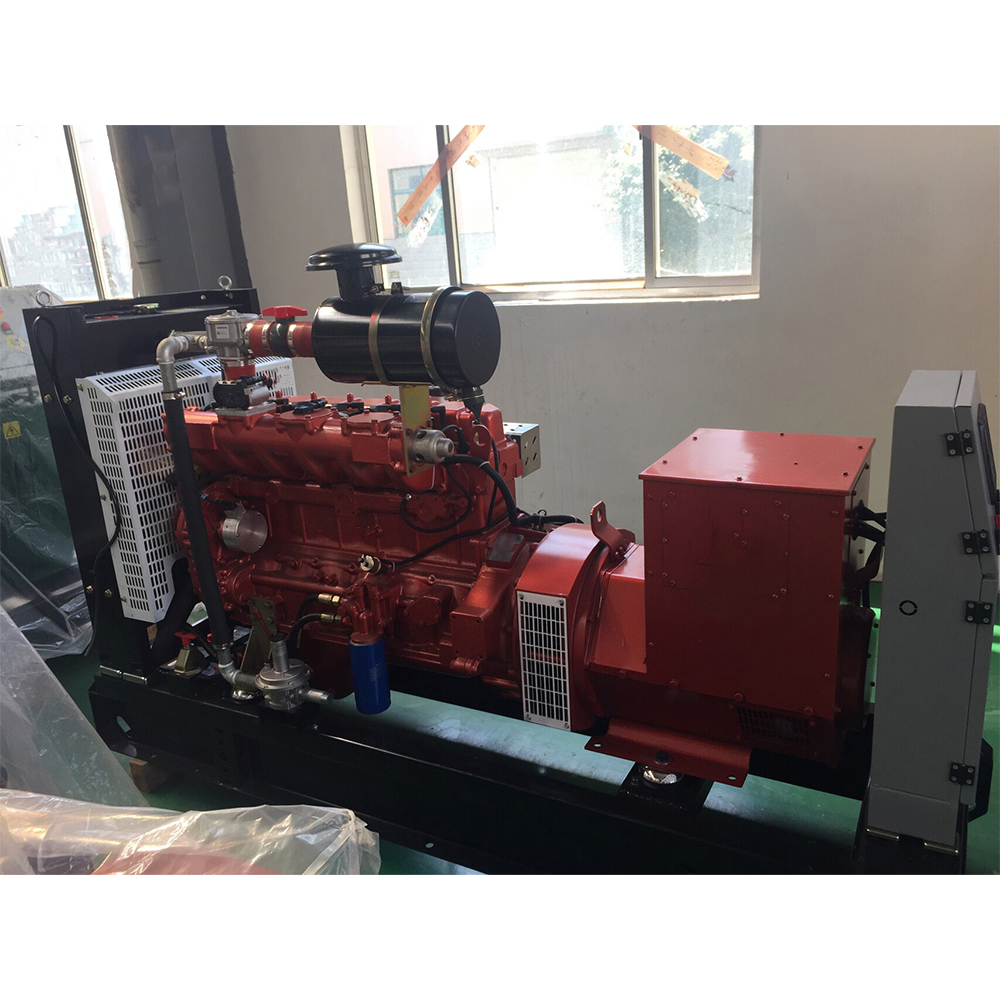
In the dynamic landscape of modern electricity generation, the gas generator power plant stands out as a critical pillar of reliability, efficiency, and flexibility. Unlike massive coal or nuclear baseload facilities, these plants typically use internal combustion engines or gas turbines fueled by natural gas or biogas to generate power.
In the context of global energy transition and the pursuit of carbon neutrality, renewable energy technologies have become the core driving force for green development. Among these technologies, the biomass gas generator set stands out as a promising solution that combines environmental protection with economic benefits.
In an era marked by growing concerns over carbon emissions and fossil fuel depletion, the biomass gas generator set has emerged as a pivotal player in the global shift toward renewable energy. This innovative technology harnesses the energy stored in organic materials—such as agricultural waste, forest residues, and municipal solid waste—to produce clean, reliable electricity, offering a viable alternative to traditional power generation methods...
The global energy landscape is undergoing a significant transformation, driven by the dual pressures of climate change and energy security. Within this context, the biomass gas generator set is emerging not merely as a technological alternative but as a potent catalyst for substantial economic benefits ...
INQUIRY
For inquires about our products or pricelist,
please leave to us and we will be in touch within 24hours.